
Quick-Change Zero-Point Workholding: Slash CNC Setup Time
Every shop measures spindle uptime. Almost none of them measure the time their machinists spend not cutting — loosening jaws, hunting for a vise, indicating a fresh block, re-zeroing, and hoping the first prove-out doesn't crash. That non-cutting window is where quick-change zero-point workholding earns its keep, and it is usually the fastest payback available on the floor.
This guide walks through what quick-change zero-point workholding actually is, how a base like the TS96-276 holds a pallet at sub-5-micron repeatability, the 30-second changeover workflow, and how to build a modular library that runs 5-axis and unattended cells without re-indicating parts by hand.
The real cost of manual workholding changes
A typical manual changeover looks harmless on paper: unbolt the vise, bolt on the fixture, indicate it, set the datum, run a prove-out. In practice it is 15 to 30 minutes of lost spindle time, and it happens several times a day. On a three-shift cell that is hours of capacity leaking out the bottom of the schedule every week.
The hidden cost is worse than the clock. Every time a human indicates a part by hand, they introduce a small error. Stack three of those errors across a job and your first-article scrap climbs. Quick-change zero-point workholding attacks both problems at once: it removes the manual indicating step entirely and it makes the swap repeatable to microns.
If you want the wider context on why repeatability matters more than raw clamp force, our zero-point clamping system guide covers the fundamentals.
What quick-change zero-point workholding actually is
The idea is simple. A precision base mounts permanently on the machine table. A matching pallet — a plate, a sub-plate, or a vise pre-loaded with a part — drops onto that base and is pulled down and located by a pull-stud or a locating pin system. The pallet seats to the same position every time, to a tolerance measured in microns, not tenths of a millimeter.
That single fact changes your whole workflow. The part is fixtured, indicated, and datum-set offline, at a bench or a separate loading station. When the pallet clicks onto the base, the machine already knows exactly where the part is. No indicating. No re-zeroing. No prove-out on a fresh setup.
The base stays put. Only the pallets move. That is the difference between "swap the vise" and "swap the part."
How the TS96-276 base delivers sub-5µm repeatability
Repeatability lives or dies in the locating faces. The TS96-276 zero-point clamping base uses hardened, ground locating surfaces and a pull-stud that draws the pallet down and against those faces in one motion. The result is a locating repeatability under 5 microns — tight enough that a finished part taken off, flipped, and re-seated lands within tolerance without re-machining datums.
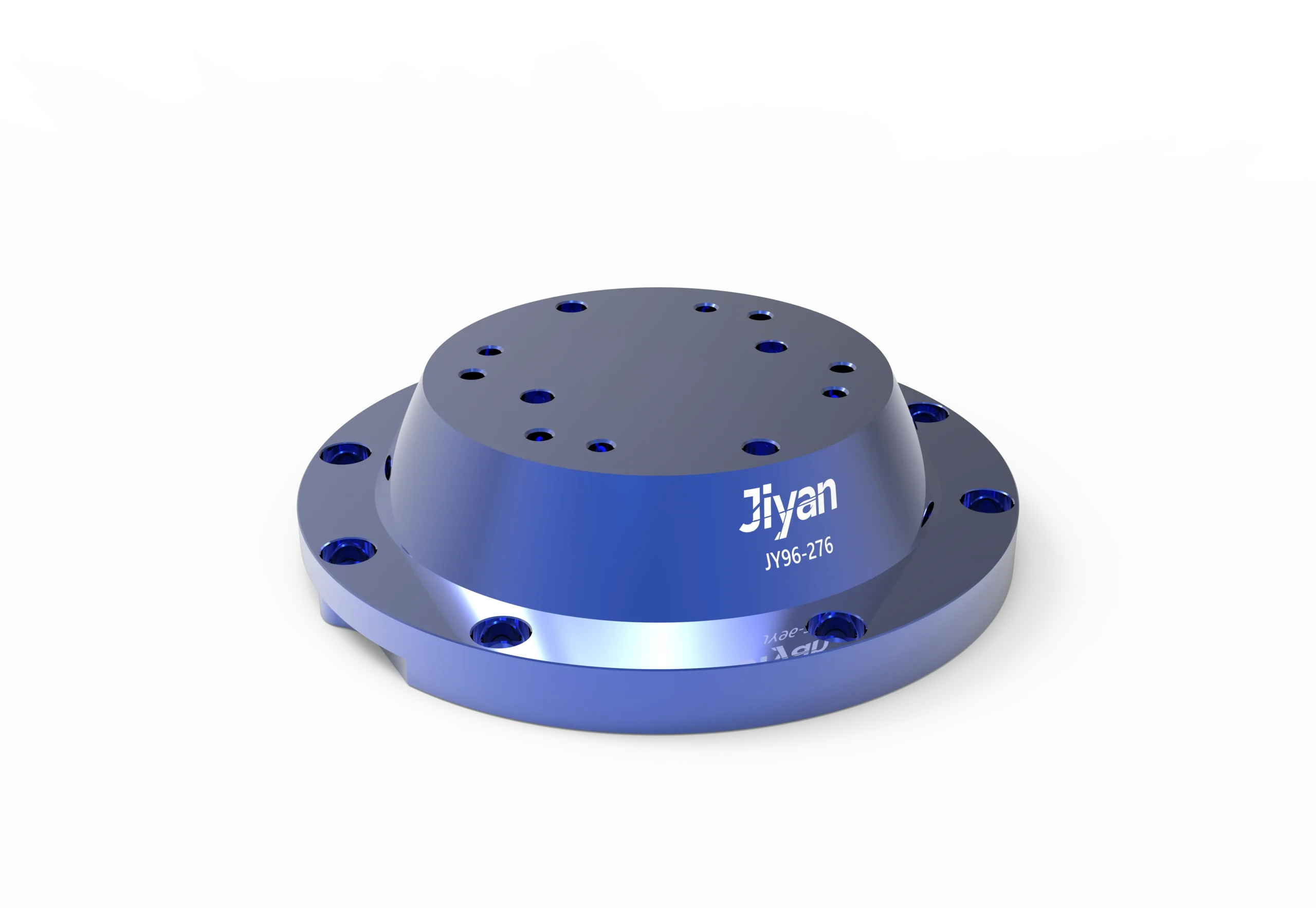
The TS96-276 base stays mounted to the table; pallets drop on and locate to sub-5µm.
What makes that number usable on a real floor is that it is consistent, not just accurate once. The locating faces do not wear the way a soft jaw does, and the pull-stud seats with a repeatable preload. A shop running the same pallet library across multiple machines can move a job from one spindle to another and trust the datum moved with it.
The 30-second changeover workflow
Here is the loop that replaces a 20-minute vise swap:
- Finish the run. The pallet stays located on the base.
- Hit cycle end, release the stud, lift the pallet off.
- Drop the next pre-loaded pallet onto the base.
- The stud pulls it down and locates it — automatically, to microns.
- Press cycle start. The machine already has the datum.
There is no indicating, no edge-finding, no hand-scraped shim. The offline loading station is where the work happens: someone fixtures the next batch of parts onto pallets while the machine keeps cutting the current one. That overlap is the entire game.
For shops running simultaneous 5-axis, the same base is what lets a part stay located through the full B/C rotation. Our 5-axis workholding solutions guide goes deeper on low-profile bases and interference.
Pallets, studs and pull-studs: building a modular library
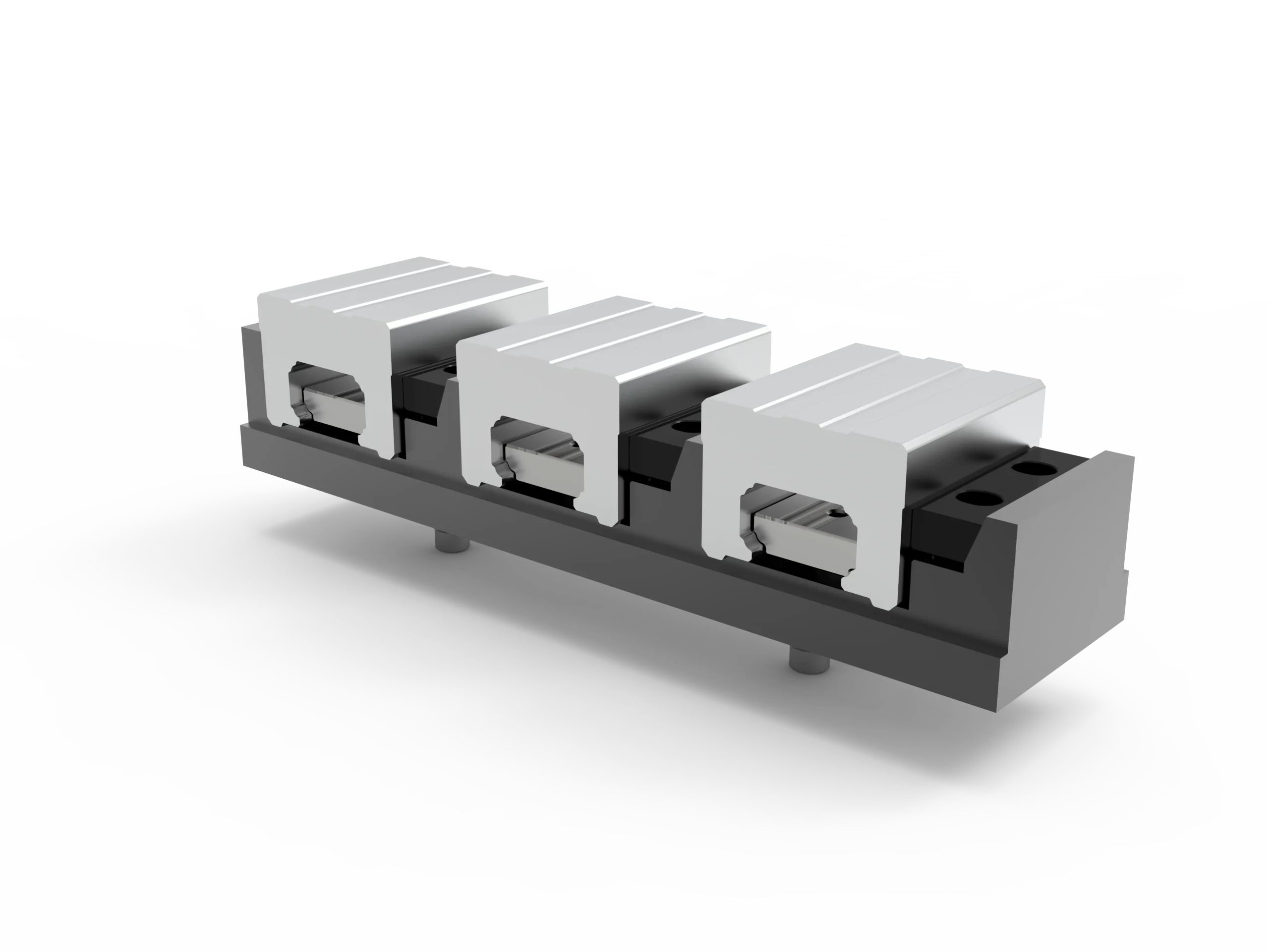
A pallet plate extends the library — one stud pattern, every machine.
The payback scales with how many pallets you own, not with how fancy the base is. A starter library is one base and three or four pallets. A mature cell is one base per machine and a wall of pallets — raw-stock pallets, fixture pallets, a double-sided zero-point pallet for fast flips, and dedicated pallets for your highest-repeat jobs.
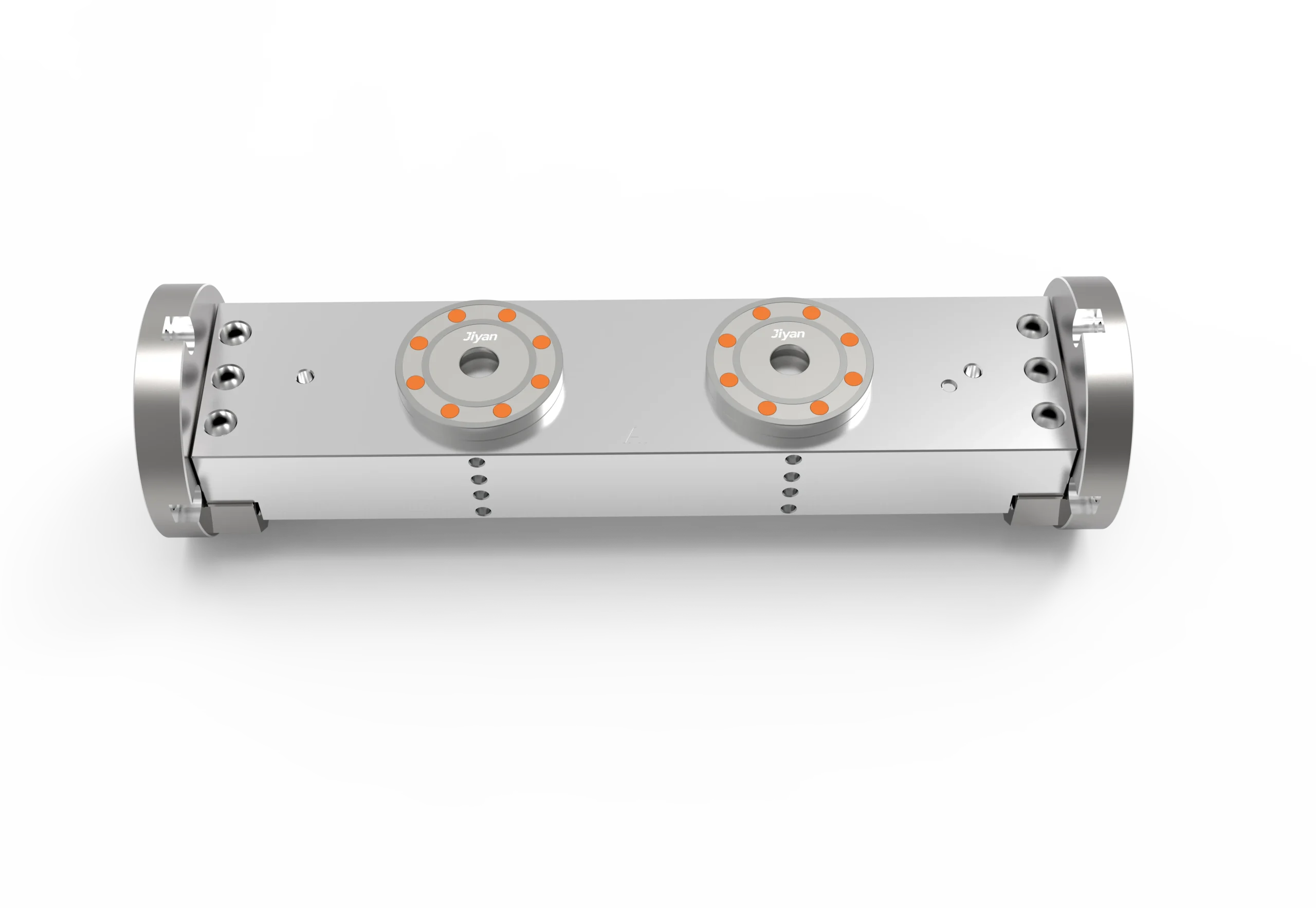
A double-sided pallet flips a part without re-indicating — two ops, one locate.
The pull-stud is the connector. Standardize on one stud pattern across your library and every pallet fits every base. That is what turns a pile of fixtures into a system: any pallet, any machine, located the same way, every time.
Running 5-axis and lights-out with zero-point
Unattended machining is where quick-change zero-point workholding stops being a convenience and becomes a requirement. A lights-out cell cannot have a human indicating parts at 2 a.m. The pallet has to locate itself, and the machine has to trust the datum it was given offline.
A low-profile zero-point base keeps the workpiece close to the table, which protects rigidity through aggressive 5-axis moves. Pair that with a pallet pool and a loader and you get a cell that runs a full shift of mixed jobs with one setup per pallet, done once, correctly, at the bench.
The same logic applies to the mistakes shops make buying workholding in the first place. Our CNC workholding buying guide lists the seven that cost the most money.
Mistakes that still cost you minutes
Even with zero-point hardware, teams lose time to avoidable habits:
- Indicating anyway. Old habits die hard. If you re-indicate a pallet that is already located to microns, you have paid for the system and thrown the benefit away.
- Mismatched stud patterns. Mixing two stud standards means pallets that fit one machine and not another. Pick one and enforce it.
- Dirty locating faces. A chip on a locating face defeats the repeatability instantly. A quick blast of air before seating a pallet is the cheapest insurance on the floor.
- Too few pallets. One base and one pallet is just an expensive vise. The overlap benefit needs at least three pallets in rotation.
When quick-change pays for itself
The math is forgiving. If a base plus four pallets costs what a few hours of spindle time costs you per week, it pays back inside a quarter. Most shops find the labor saving alone covers it, and the scrap reduction is upside.
A simple test: time ten manual changeovers this week. Multiply that total by the number of changeovers you do in a year. That number, in spindle hours, is what quick-change zero-point workholding gives back — before you count the scrap you did not make.
Choosing your zero-point system
Start with the base that fits your table and your stud standard, then grow the pallet library deliberately:
- One base per machine you want to overlap-setup.
- Three to five pallets minimum to feel the benefit.
- A double-sided pallet for any two-op part you currently flip by hand.
- A dedicated pallet for each of your top three repeat jobs.
The TS96-276 base is the anchor for a JIYAN zero-point library; pallets and pull-studs build it out. If you are weighing zero-point against a self-centering vise for a specific job, our self-centering vs traditional vise comparison helps you decide which to buy first.
Conclusion
Quick-change zero-point workholding is not a gadget — it is a different way to run the floor. Move the fixturing offline, locate every pallet to microns, and let the machine cut while the next batch is being loaded. The shops that do this stop buying spindle hours and start selling them.
Ready to build your zero-point library? Contact JIYAN and we will size a base-and-pallet set to your machines and your highest-repeat jobs.
Quick-change is one benefit of the same architecture explained end to end in the zero-point clamping system guide.